
Interior Design with Natural Language Input
Interior Design with Natural Language Input
ARTICLES
Wiratama
1/30/20263 min read
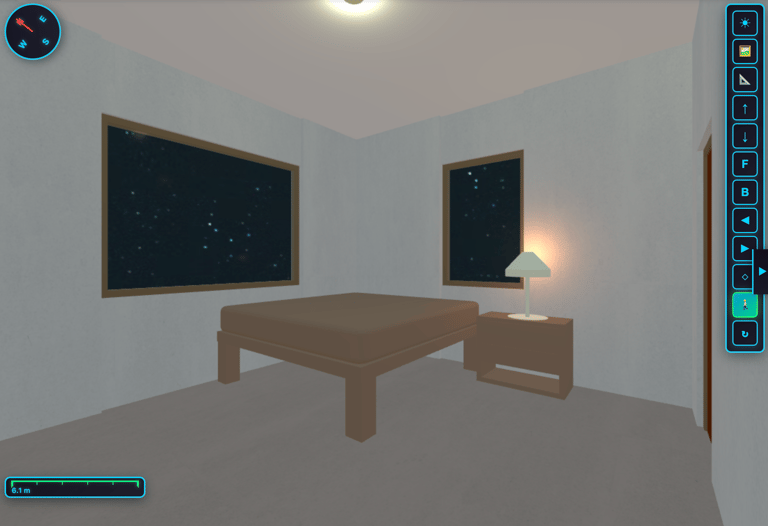
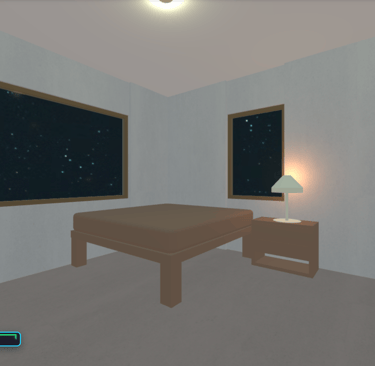
Interior design has always been a balance between creativity and technical execution. Designers begin with ideas expressed in words, sketches, and conversations, then translate those concepts into drawings and 3D models. Traditionally, this translation process requires significant time and technical effort using complex software tools. Today, a new approach is emerging that bridges imagination and digital modeling more naturally: interior design powered by natural language input.
Natural language input allows designers to describe a space in plain text and transform that description into a structured 3D interior model. Instead of manually drawing walls, doors, furniture, and layouts piece by piece, designers can simply write instructions such as “Create a modern living room with large windows, a wooden floor, and minimalist furniture,” and instantly receive a digital representation of that idea. This shift dramatically changes how early-stage design work is done, making concept exploration faster and more intuitive.
For interior designers, this technology removes the barrier between creative thinking and technical modeling. Design ideas usually come in sentences and narratives, not coordinates and dimensions. By working directly with language, designers can iterate rapidly, testing multiple styles and layouts within minutes. A single concept can be adjusted by changing a few words: “Make the room brighter,” “Add a central island kitchen,” or “Use Scandinavian style furniture.” Each change updates the model without the need to redraw everything from scratch.
This approach is especially powerful during client discussions. Instead of interpreting feedback and returning days later with revisions, designers can modify the model in real time based on the client’s spoken or written input. Clients can see their ideas materialize immediately, improving communication and reducing misunderstandings. The design process becomes more collaborative, visual, and engaging.
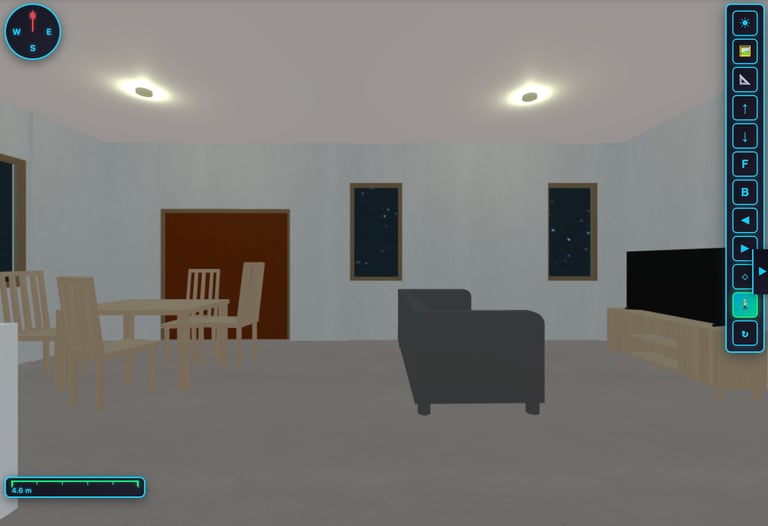
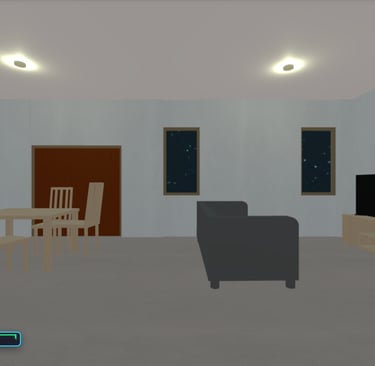
One of the key advantages of natural language-driven interior modeling is consistency and structure. A well-designed system does not simply create random 3D shapes but builds a proper building information model that includes walls, rooms, openings, and objects with logical relationships. This allows the design to be used not only for visualization but also for planning, documentation, and future development. A model generated from text can still follow architectural rules and interior design constraints.
This is where solutions like tensorBIM3D quietly redefine the workflow. By converting plain text descriptions into intelligent interior BIM models, tensorBIM3D enables designers to move from idea to structure in seconds. Instead of spending hours on repetitive modeling tasks, designers can focus on creativity, spatial quality, and user experience. The technology does not replace the designer’s role but amplifies it by handling the mechanical parts of model generation.
Interior design with natural language input is also opening doors for students and non-technical users. People without deep experience in professional CAD or BIM software can now participate in the design process using everyday language. This lowers the learning curve and encourages experimentation. It becomes possible for homeowners, developers, and educators to visualize interior spaces without mastering complex tools.
As artificial intelligence and language processing continue to improve, this method will become more accurate and expressive. Future systems will understand not only geometry but also style, mood, and functional intent. Descriptions like “a cozy reading corner with warm lighting and soft textures” will result in spaces that feel emotionally aligned with the designer’s vision.
The future of interior design is shifting from drawing-based input to idea-based input. Natural language allows designers to communicate directly with digital systems in the same way they communicate with people. Platforms such as tensorBIM3D demonstrate how this transformation can be practical, affordable, and ready for real-world workflows.
In the coming years, interior design will no longer begin with clicking and dragging elements onto a screen. It will begin with words, concepts, and stories. Designers will describe spaces, and intelligent systems will build them. This evolution marks a new chapter where creativity flows freely from language to form, making interior design faster, smarter, and more human-centered than ever before.